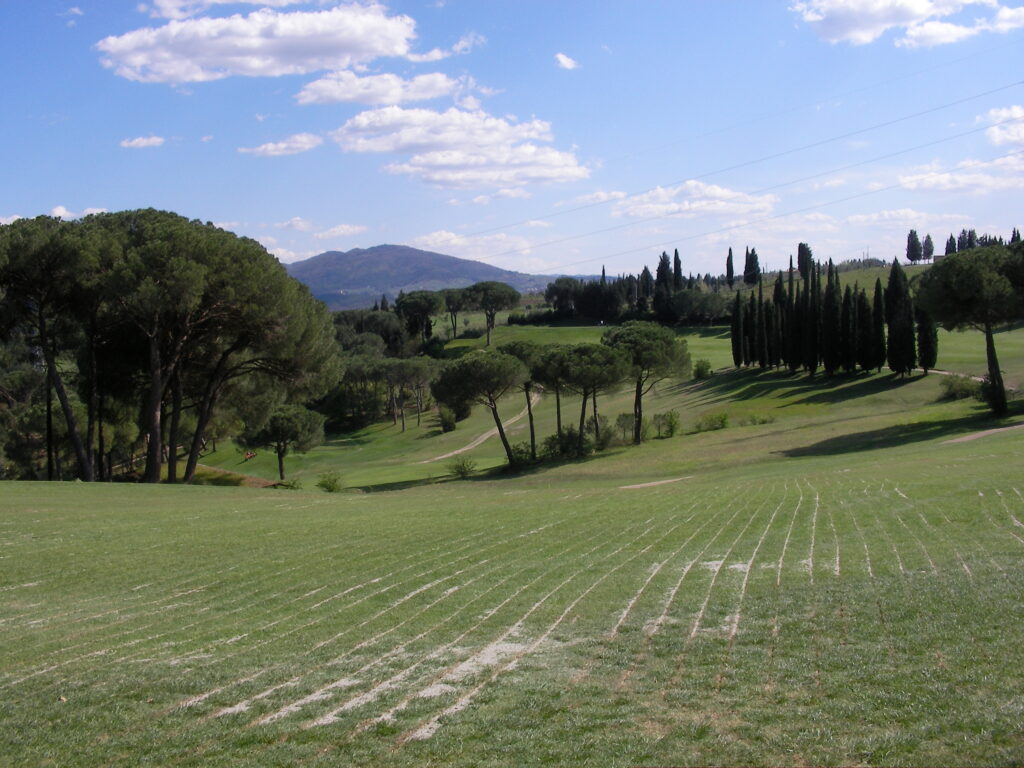
Tuscany is home to more than twenty affiliated golf courses, ranging from international-standard 18-hole layouts to shorter 9-hole tracks built for beginners, juniors and casual amateurs. It is one of the densest concentrations of golf in Italy, spread across a territory that runs from the hills above Prato in the north down to the Argentario promontory in the south, taking in the Chianti, the Maremma and the clay hills around Siena along the way. This guide gathers everything you need to plan a 2026 golf holiday: detailed course profiles, the best months to play, transport options and indicative green-fee costs. It is updated each year on the basis of public information from the clubs themselves, the Italian Golf Federation (FIG) and our own checks on the ground. The aim is to be useful both to the experienced golfer planning a themed stay and to the broader traveller who wants to slot one or two rounds into a wider cultural or food-and-wine itinerary. For up-to-the-day contact details we always direct readers to each club’s own website, and for green-fee bookings we recommend dealing directly with the club secretariat.
A short history of golf in Tuscany
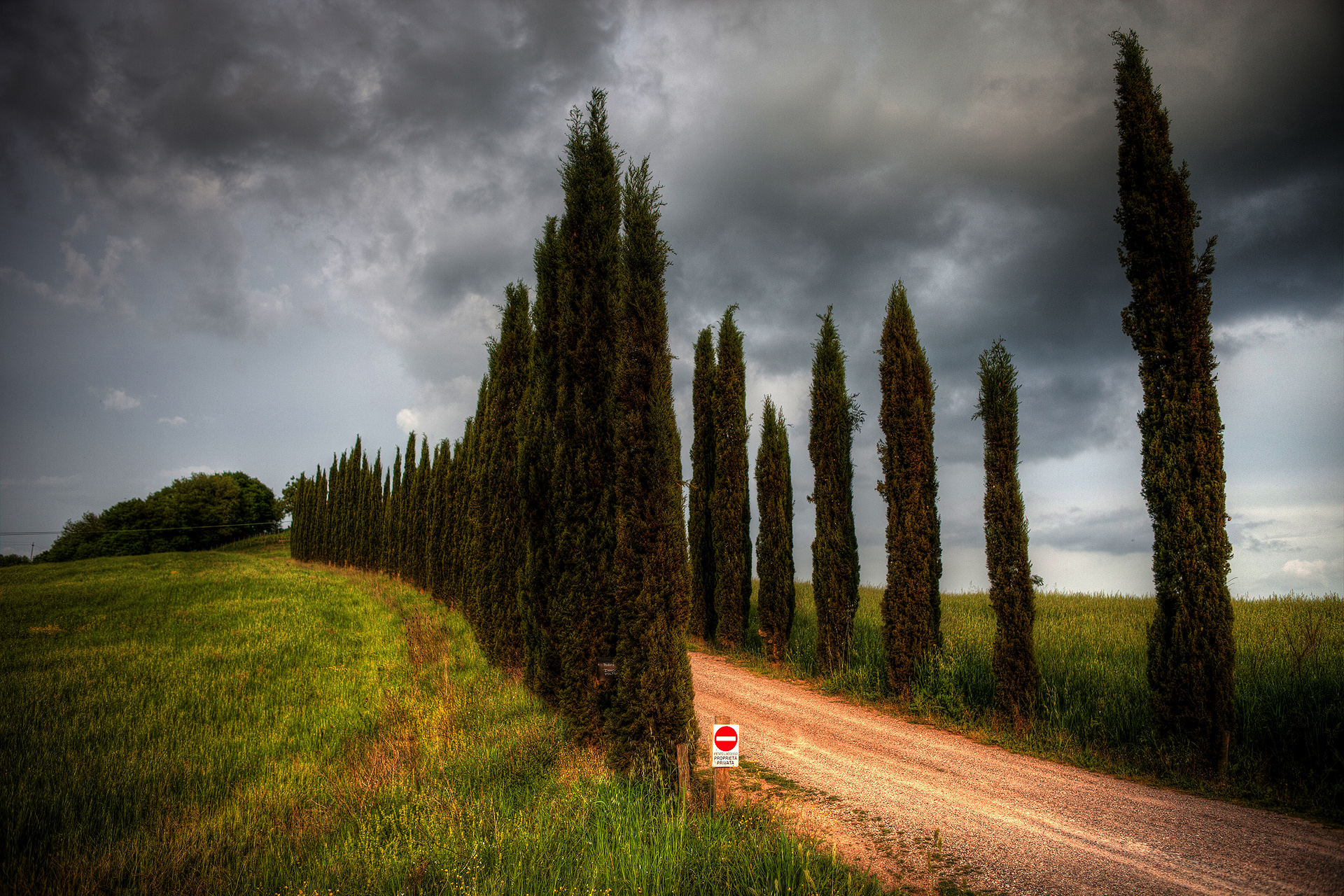
Golf arrived in Tuscany in the 1930s, as part of the broader Italian story that had begun a few decades earlier in Rome, Florence and Sanremo. The first regional club was Circolo del Golf dell’Ugolino, opened in 1934 in the hills of Impruneta, about ten kilometres south of central Florence. The original Blandford-and-Gannon layout was one of the first 18-hole courses in Italy and hosted federation and international events from its earliest years, shaping the regional golf culture as it went.
The 1960s and 1970s saw a wave of 9-hole members’ clubs, particularly along the Tyrrhenian coast, where they served the growing summer tourist trade and built a network of accessible practice. The real expansion came between the 1980s and the early 2000s. Le Pavoniere opened in Prato in 1986 to an Arnold Palmer design; Punta Ala followed in 1988; the 1990s added Cosmopolitan at Tirrenia, Versilia, and Poggio dei Medici in the Mugello. The 2000s brought the large resorts: Argentario in 2006, the expansion of Castelfalfi, and Royal Golf La Bagnaia near Siena.
Today Tuscany is one of the most fully developed golf regions in Italy, both for the quality of the courses themselves and for how well golf is integrated with the wider tourism offer. The FIG treats the region as a strategic destination for golf tourism, and several events on the national amateur calendar are played each season on Tuscan courses.
The 18-hole courses
Golf Club Ugolino — Impruneta (FI)
Year: 1934 · Par: 72 · Length: approx. 5,741 m from the yellow tees · Original designers: Blandford & Gannon · Website: golfugolino.it
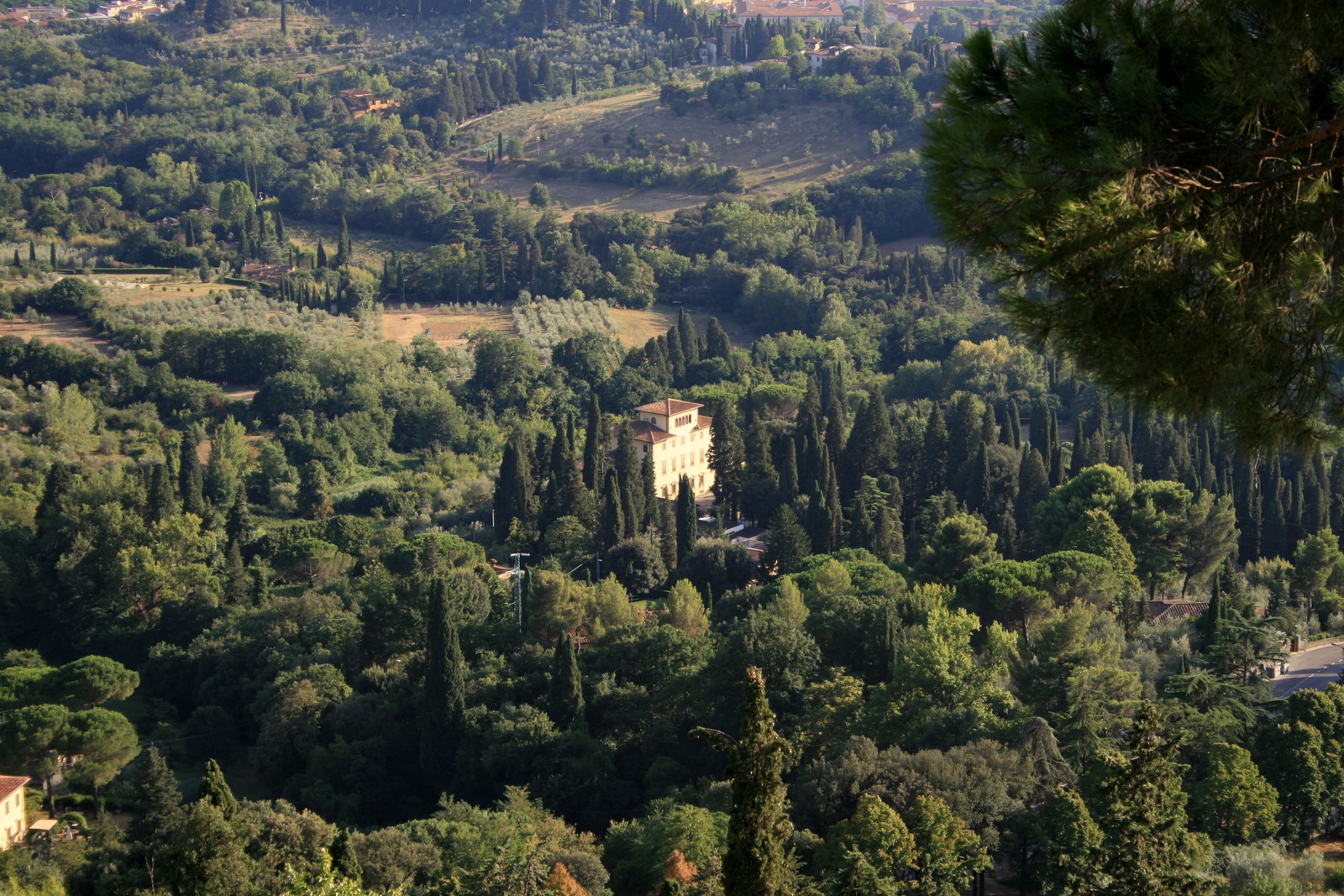
The oldest club in Tuscany and one of the oldest in Italy. The course unfolds on the Impruneta hills at roughly 300 metres of elevation, threading between olive groves and cypresses, with holes that alternate demanding climbs with greens perched above sharp drops. The 16th, a par 3 with a green set well below the tee, is among the most celebrated holes on the course. The clubhouse is housed in an early twentieth-century villa with a restaurant that looks out over Chianti. Ugolino is particularly active in junior development and stages events almost every week of the season.
Castelfalfi — Mountain Course — Montaione (FI)
Year: 2011 (redesign) · Par: 73 · Length: approx. 6,350 m from the yellow tees · Designer: Rainer Preissmann · Website: castelfalfi.com
The main layout at the Castelfalfi resort is one of the longest in Tuscany, set around the medieval village of the same name on an estate of more than a thousand hectares. The Mountain Course alternates rolling fairways with well-defended greens; the signature hole is the 18th, a par 5 with a dogleg right. The resort runs a PGA-certified academy, a covered driving range and ten short practice greens.
Castelfalfi — Lake Course — Montaione (FI)
Par: 27 (9 par-3 holes) — repositioned as the resort’s second course after a recent refurbishment. Well suited to juniors, beginners and anyone looking for a quick round after the 18 on the Mountain.
Argentario Golf Club — Monte Argentario (GR)
Year: 2006 · Par: 71 · Length: approx. 6,218 m from the yellow tees · Designer: Hurdzan-Fry · Website: argentariogolfclub.it
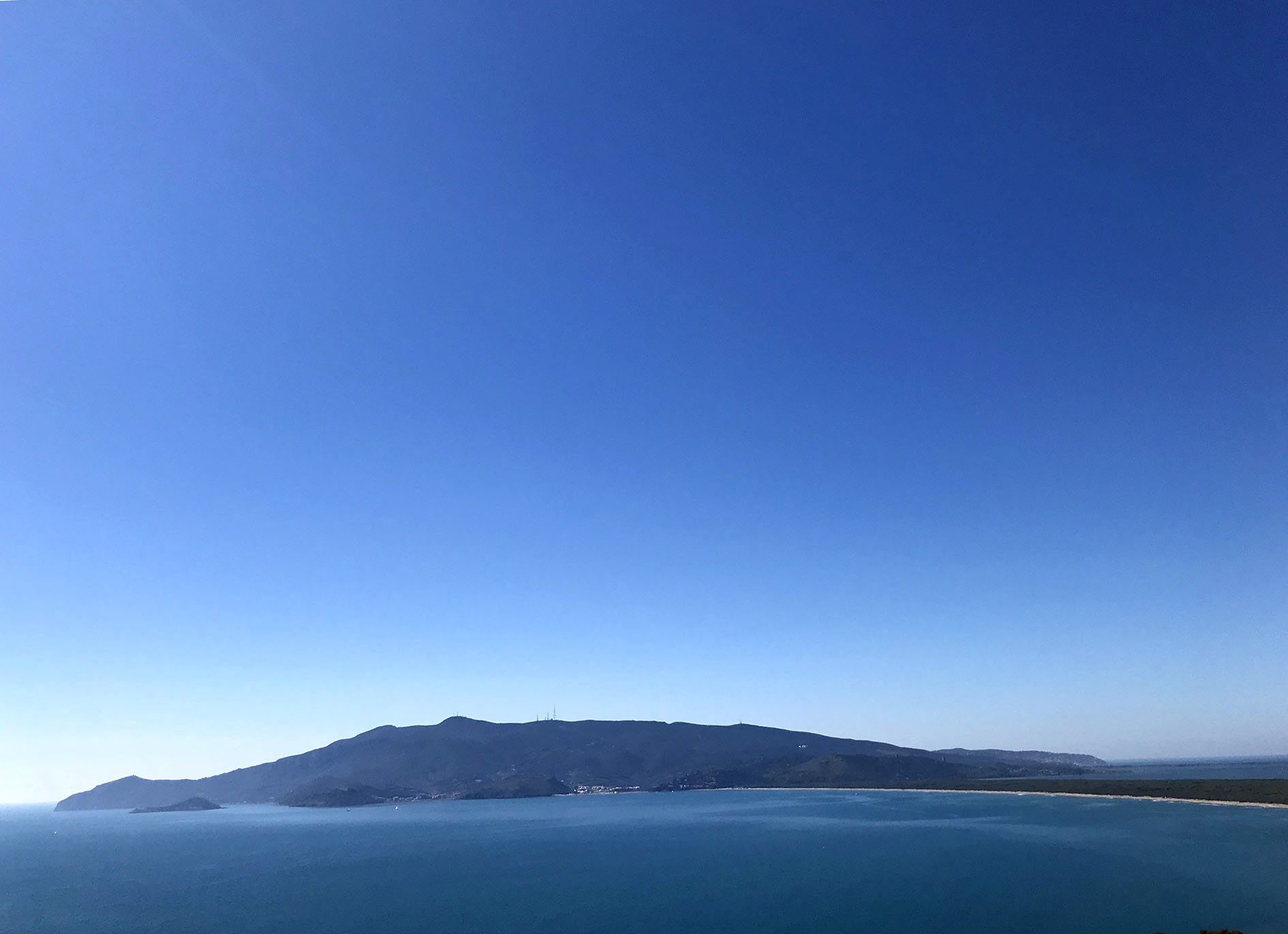
Eighteen holes on the eastern slope of the Argentario promontory, with the Orbetello lagoon constantly in view. The course is widely regarded as one of the most scenic in Italy and holds GEO certification for environmental management: irrigation with treated wastewater, bermuda-grass fairways and out-of-play areas replanted with native Mediterranean scrub. The resort includes a five-star hotel and spa.
Punta Ala Golf Club — Castiglione della Pescaia (GR)
Year: 1964 · Par: 72 · Length: approx. 6,168 m from the yellow tees · Designer: Giulio Cavalsani · Website: puntaala.net
A historic Maremma-coast club, set between maritime pines and low scrub a few hundred metres from the sea. The course is flat but technical: the pines pinch the fairways and reward the straight ball over the long one. The clubhouse hosted international events in the 1970s and 1980s and remains a reference point for golf in the Maremma.
Cosmopolitan Golf & Beach Resort — Tirrenia (PI)
Par: 72 · Length: approx. 6,220 m from the yellow tees · Designer: David Mezzacane · Website: cosmopolitangolf.it
Eighteen flat holes between Tirrenia and the sea. The course is generous, suits every standard of player and is particularly popular for winter golf thanks to the mild climate of the Pisan coast. The resort combines a hotel, a beach club and a restaurant, and regularly hosts training camps and junior gatherings.
Royal Golf La Bagnaia — Murlo / Siena
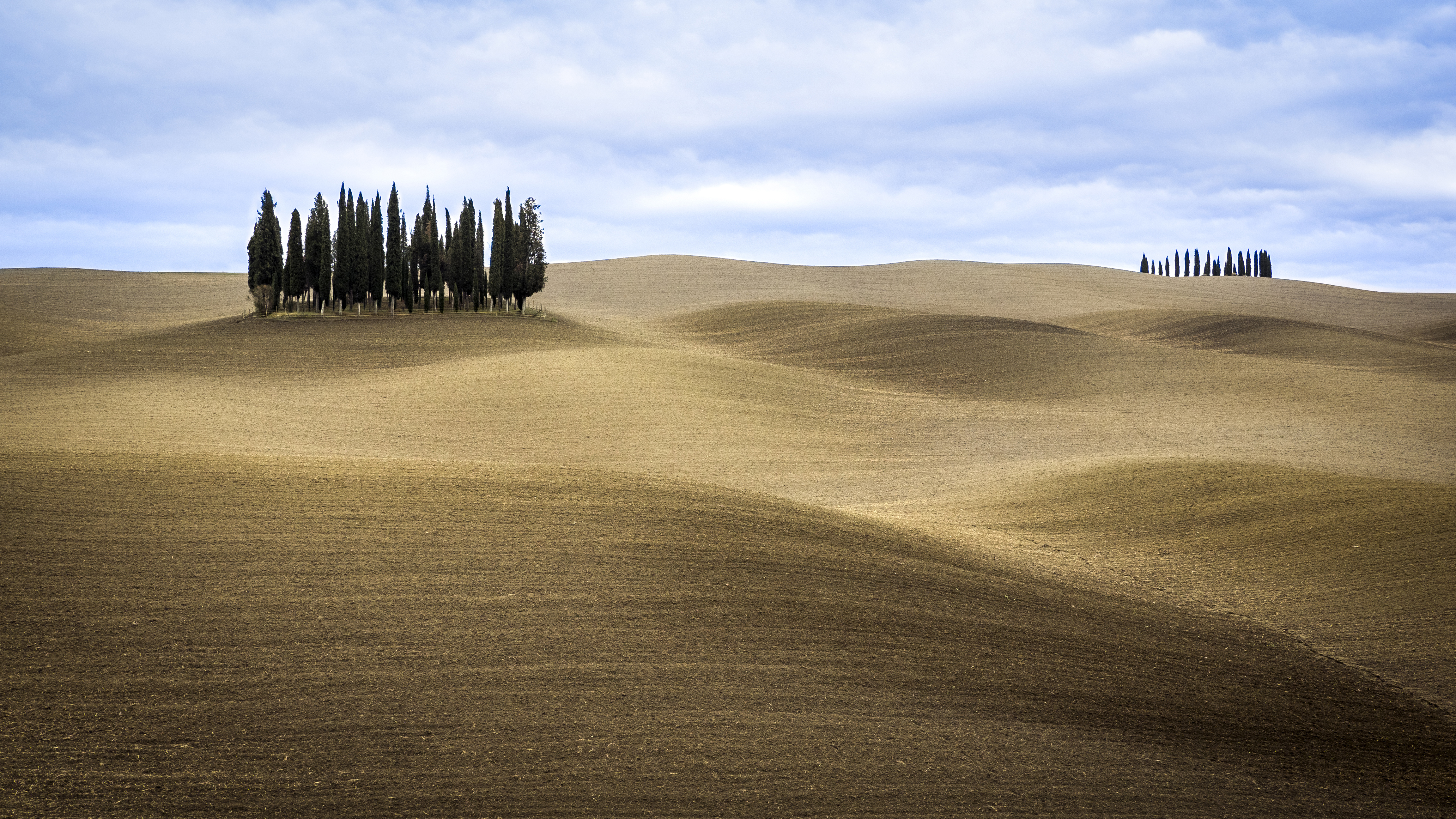
Year: 2007 · Par: 71 · Length: approx. 6,181 m from the yellow tees · Designer: Robert Trent Jones Jr. · Website: bagnaiagolfclub.com
Eighteen holes designed by Robert Trent Jones Jr. across the Sienese clay hills, on a medieval agricultural estate. The course mixes undulating fairways with stands of holm oak; the greens are large and run quickly. The resort, operated by Borgo La Bagnaia, includes a five-star hotel, a spa and several restaurants.
Versilia Golf Club — Pietrasanta (LU)
Year: 1990 · Par: 72 · Length: approx. 6,065 m from the yellow tees · Designer: Marco Croze · Website: versiliagolf.com
Eighteen holes between pine woods, drainage canals and water hazards on the Versilia plain. The layout is technical thanks to water in play on a number of holes and well-defended greens; the modern clubhouse overlooks the putting green and houses a restaurant and pro shop.
Poggio dei Medici Golf Club — Scarperia (FI)
Year: 1992 · Par: 73 · Length: approx. 6,341 m from the yellow tees · Designers: Alvise Rossi Fioravanti & Baldovino Dassù · Website: poggiodeimedici.com
Eighteen holes in the Mugello, on rolling ground with broad water features and cypresses. The club has hosted Ladies European Tour stops in the past and is today one of the most active venues for competitive amateur golf in central Italy. The resort offers a hotel right on the course.
Golf Club Le Pavoniere — Prato
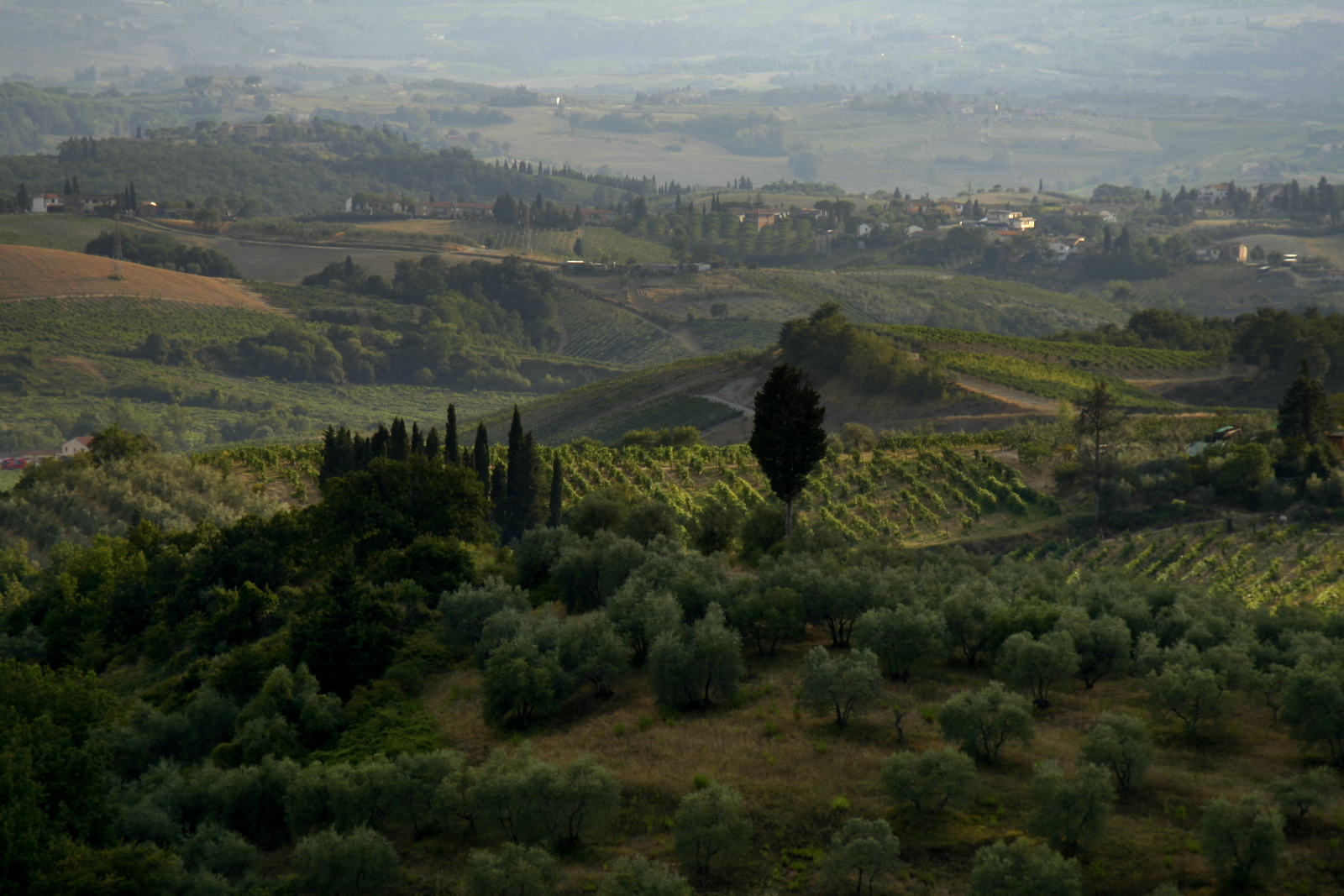
Year: 1986 · Par: 72 · Length: approx. 6,180 m from the yellow tees · Designer: Arnold Palmer · Website: golfclublepavoniere.com
Eighteen flat holes on the Prato plain, with water in play on seven of them. The Arnold Palmer layout is one of the most technical in the region and rewards a long, accurate ball. The club has a strong competitive identity and runs FIG events monthly.
Toscana Golf Resort — Gavorrano (GR)
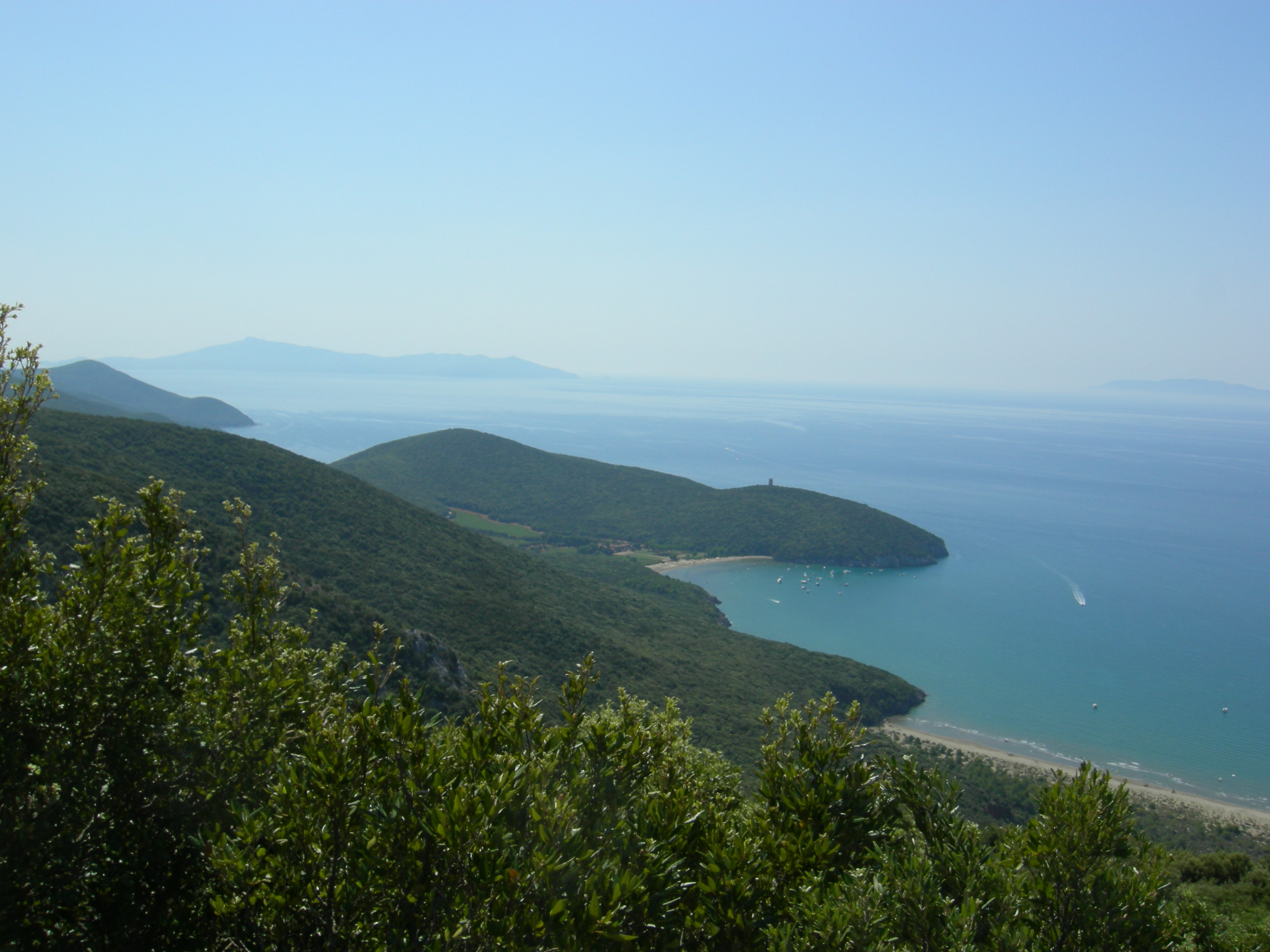
Par: 72 · Length: approx. 6,000 m from the yellow tees · a resort that combines golf, a hotel and a spa in the northern Maremma. The course is welcoming to every standard of player, with wide fairways and well-kept greens. It makes a good base for exploring Castiglione della Pescaia and the inland Grosseto countryside.
Shorter layouts: 9-hole courses and pitch & putt
Short courses are often underrated, but they are in many ways the backbone of grassroots Tuscan golf: junior schools, beginners, and golfers looking for a quick round after work. Here are some of the most significant.
- Golf Club Bellosguardo Vinci — Vinci (FI): 9 holes, par 30, on the Montalbano hills near the birthplace of Leonardo. Informal atmosphere and friendly prices.
- Tirrenia Golf Club — Tirrenia (PI): 9 holes, par 35, set in the pine forest of San Rossore. A historic course with long-standing ties to the Italian Air Force.
- Montelupo Golf Club — Montelupo Fiorentino (FI): 9 holes, par 35, in the Arno valley. A rolling layout that suits intermediate players.
- Acquabona Golf Club — Portoferraio (LI): 9 holes, par 34, on the island of Elba — the most scenic course in the Tuscan Archipelago.
- Golf Club Centanni — Bagno a Ripoli (FI): historic club, closed at the end of 2024. A 9-hole pitch & putt par 27 designed by Vettraino, it served for more than twenty years as an entry point to golf for the community of south-eastern Florence. Read the full story.
When to play: a month-by-month calendar
January and February: a reduced season inland (temperatures of 4 to 10°C, with morning frost possible), while the coast stays playable with averages of 10 to 14°C. Cosmopolitan, Punta Ala and Argentario are the natural choices.
March: a full reopening across the region. Temperatures of 12 to 17°C, days getting longer. An excellent month for avoiding the crowds.
April to June: peak golf season. Temperatures of 17 to 26°C, the Mediterranean scrub in flower, and the greens at their best. We recommend booking well ahead.
July and August: playable either early in the morning (tee off between 07:00 and 09:00) or after 17:00. Peak temperatures of 30 to 35°C inland, milder on the coast thanks to the sea breeze.
September and October: the region’s second high season and, for many regulars, the best of the year. Temperatures of 18 to 25°C, the wine harvest underway in Chianti and excellent opportunities for combined golf and food-and-wine packages.
November and December: the season winds down inland but stays active on the coast. Greens are often undergoing autumn maintenance.
How to get to Tuscany
By air. The two main airports are Florence Peretola (FLR) for the centre and north of the region, and Pisa San Giusto (PSA) for the coast and Versilia. Both are well connected to the major European hubs. From FLR you’ll reach Ugolino and Le Pavoniere in about 30 minutes by car, Castelfalfi in 50 minutes and Poggio dei Medici in 40 minutes. From PSA you can be at Cosmopolitan or Tirrenia in 15 minutes, Versilia in 30 minutes and Punta Ala in roughly an hour and a half.
By train. The Tuscan rail network is efficient on the main corridors (Florence-Pisa, Florence-Rome). The useful stations are Florence Santa Maria Novella, Pisa Centrale, Prato Centrale, Siena, Grosseto and Pietrasanta. That said, you will almost always need to hire a car at the station to reach the courses themselves: most are in hilly areas without dependable public transport.
By motorway. The A1 (Milan-Naples) crosses the region from north to south via Florence, the A11 links Florence to Pisa via Prato and Lucca, and the A12 runs along the Tyrrhenian coast from Sarzana to Rosignano. All the major courses are within 20 to 30 minutes of a motorway exit.
Car hire. For a golf trip a rental car is essentially indispensable. The main operators are present at both airports and at the major railway stations. If you plan to move between several courses, a small hatchback or a compact saloon is the most practical choice: the country roads of Chianti and the Maremma are narrow and winding.